Home / Service Areas
Service areas
Refineries, chemical complexes, export terminals, oilfield facilities and North Texas plants each bring their own climate, codes and logistics. Here is how we approach each Texas industrial region.
Quick answer
Our Texas industrial welding service areas cover Houston, Beaumont, Corpus Christi, Dallas, Midland and Freeport, spanning the Gulf Coast, the Golden Triangle, the Coastal Bend, the Permian Basin and North Texas. In each region we take on structural, pipe, maintenance, equipment and fabrication work, adjusting procedures for humidity, salt air, wind, dust, heat and site requirements.
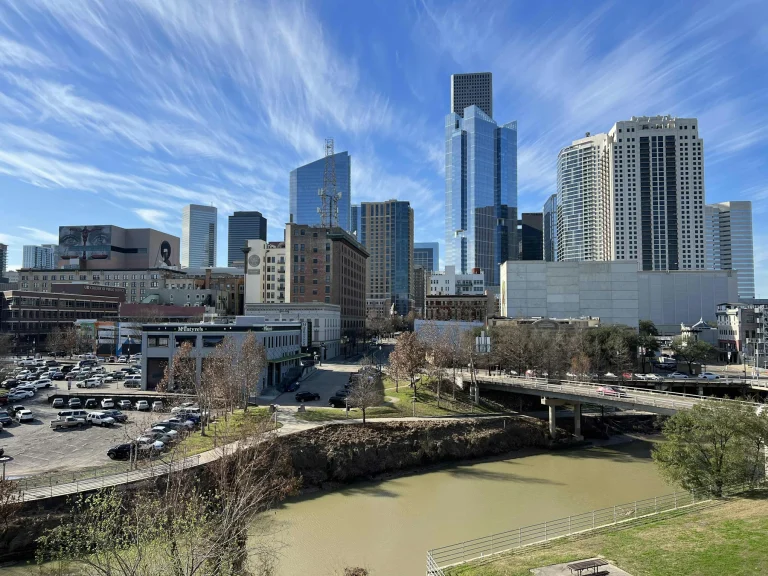
The Ship Channel refining and petrochemical complex, terminals and energy equipment builders. Turnaround timing, humidity, salt air and hurricane season drive how Houston work is planned.
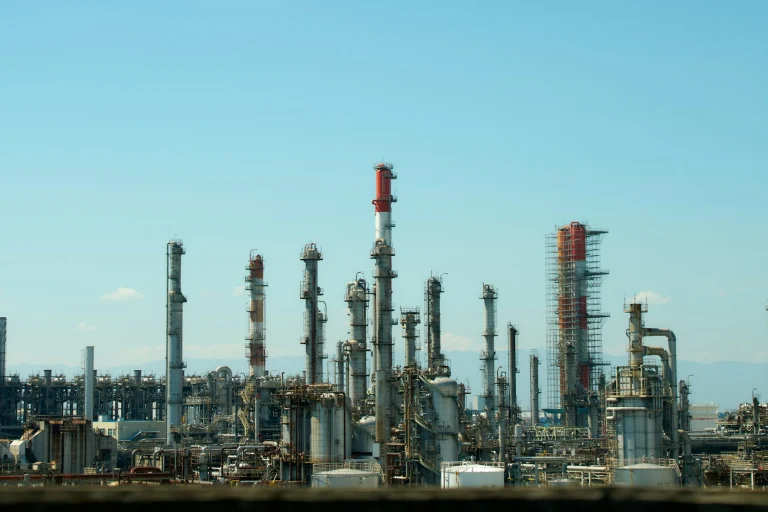
Refineries and chemical plants across the Golden Triangle of Beaumont, Port Arthur and Orange, plus docks and LNG along the Sabine-Neches Waterway. Heavy rainfall and crowded outage seasons shape the work.
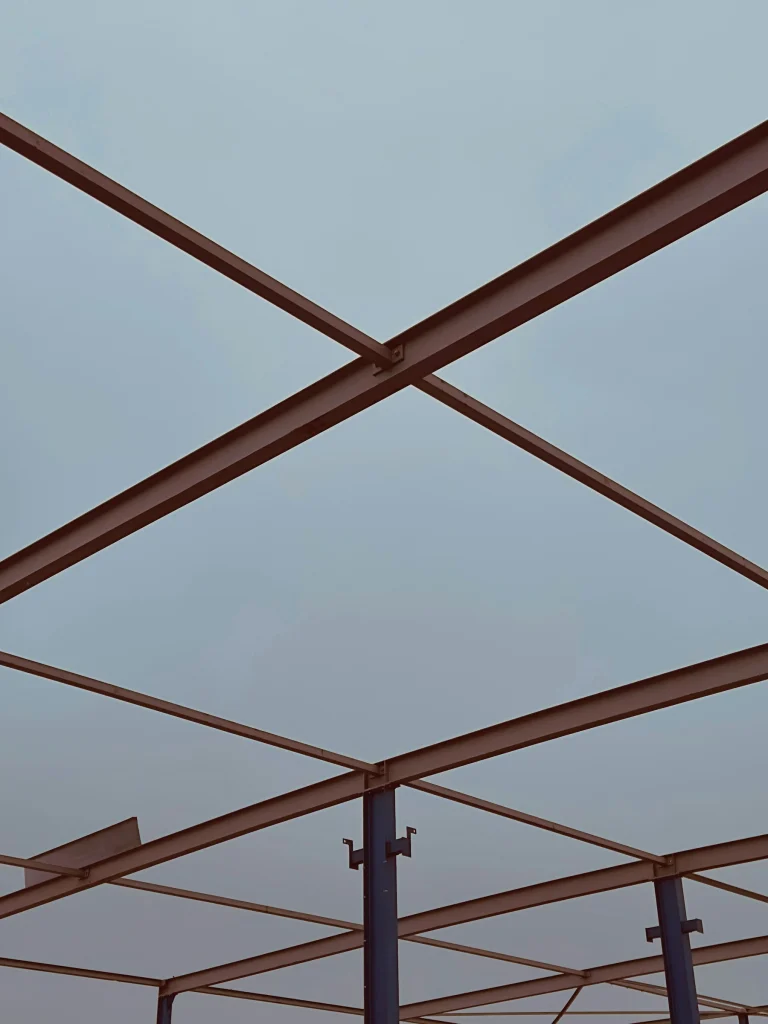
Refinery Row, the Port of Corpus Christi and crude and LNG export terminals across the bay. Salt air, steady coastal wind and pipeline tie-ins define Coastal Bend projects.
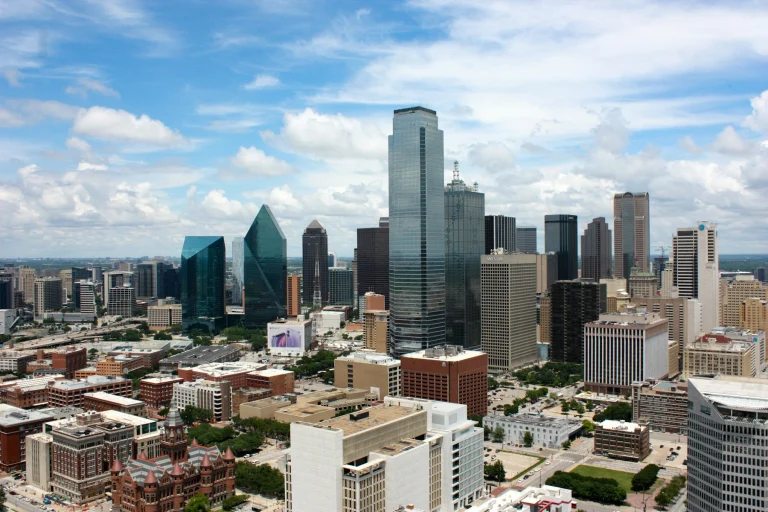
Data centers, distribution and rail hubs, cement plants and aerospace suppliers across the Metroplex. Extreme heat, hail and expansive clay soils influence North Texas work.
Tank batteries, compressor stations, gas plants and frac fleets across the Permian Basin. Sour gas, blowing dust, wind and wide temperature swings set the rules in West Texas.
The Brazosport chemical complex, Port Freeport and the LNG terminal on Quintana Island. Corrosive chemical service, Gulf humidity and low coastal ground shape Freeport work.
Texas industry is not one market. The Gulf Coast around Houston and Freeport is dominated by refineries, chemical plants and marine terminals. The Golden Triangle around Beaumont adds some of the largest refineries in the country and a busy deep-draft waterway. The Coastal Bend around Corpus Christi has become a leading crude export gateway.
Inland, the Permian Basin around Midland is oilfield country: production facilities, compression, gas processing and the fleets that serve them. North Texas around Dallas mixes data centers, logistics, cement and manufacturing.
What stays the same everywhere is the method. We read the specification, confirm the governing code, plan around your outage or construction schedule, follow the site safety program and document what was done. Our industrial welding services are the same six service lines in every region.
Shop fabrication shipped to site for installation by your crew or ours
Traveling field crews for installation, tie-ins and shutdown scopes
Combined programs that pair prefabrication with a short field window
Climate changes the procedure. On the coast, constant humidity makes low-hydrogen electrode storage a daily discipline, salt air drives coating and detailing decisions, and hurricane season shapes outdoor schedules. In Corpus Christi and Midland, wind strips shielding gas, so field work leans on stick and self-shielded flux-cored processes. In West Texas, dust and fast temperature swings bring joint cleaning and preheat checks into play, while Dallas summers make heat stress the main crew hazard.
Service conditions change the metallurgy. Chemical plants around Freeport bring stainless and nickel alloys, refineries bring chrome-moly and heat treatment, and Permian operators often specify sour service with hardness limits. We confirm material and procedure requirements with the owner's engineering group before pricing.
Site access changes the logistics. Waterfront facilities usually require TWIC, plants require safety council orientation and drug testing, and oilfield operators often require basic oilfield orientations and H2S training. Tell us those requirements early so the crew plan and the price reflect them.
Often, yes. The six cities listed here anchor the regions where we focus planning, not hard boundaries. Plants in Texas City, Baytown, Port Lavaca, Victoria, Odessa, Fort Worth and other industrial towns are considered case by case based on scope and schedule. Shop-fabricated items ship anywhere a truck can reach. Send the project details through the quote form and we will tell you plainly whether and how we can staff it.
We focus on Houston, Beaumont, Corpus Christi, Dallas, Midland and Freeport, along with the industrial communities around each. That includes the Ship Channel corridor, Port Arthur and Orange, Ingleside and the Inner Harbor, the southern Dallas inland port, Odessa and the Permian Basin, and the Brazosport area of southern Brazoria County.
No, and we do not claim one. We take on work in these regions by fabricating in the shop and shipping, by sending traveling field crews, or by combining the two. The written quote spells out how your project will be staffed, where fabrication happens and how travel costs are handled.
Requirements differ by city, county and facility. For building-related work we confirm permit and inspection needs with the local building department or the owner's engineer before starting. Inside plants and oilfield facilities, the owner's permit system and inspection program usually govern. We list permit and third-party inspection assumptions clearly in the written quote.
Yes. Coastal humidity calls for strict control of low-hydrogen consumables, salt air affects detailing and coating repair, wind on the coast and in West Texas favors self-shielded field processes, dust requires careful joint cleaning, and cold fronts can make preheat necessary. We adjust procedures, sheltering and scheduling for the region and season.
Yes. Owners with facilities in several regions, such as a chemical company with plants on the upper coast and in the Coastal Bend, or an operator with Permian production and Gulf Coast terminals, can bundle work packages into planned mobilizations, standardize fabricated items and receive consistent documentation across sites.
Send the site location, scope and schedule through the quote form. We will confirm how we would staff it and send a written quote.
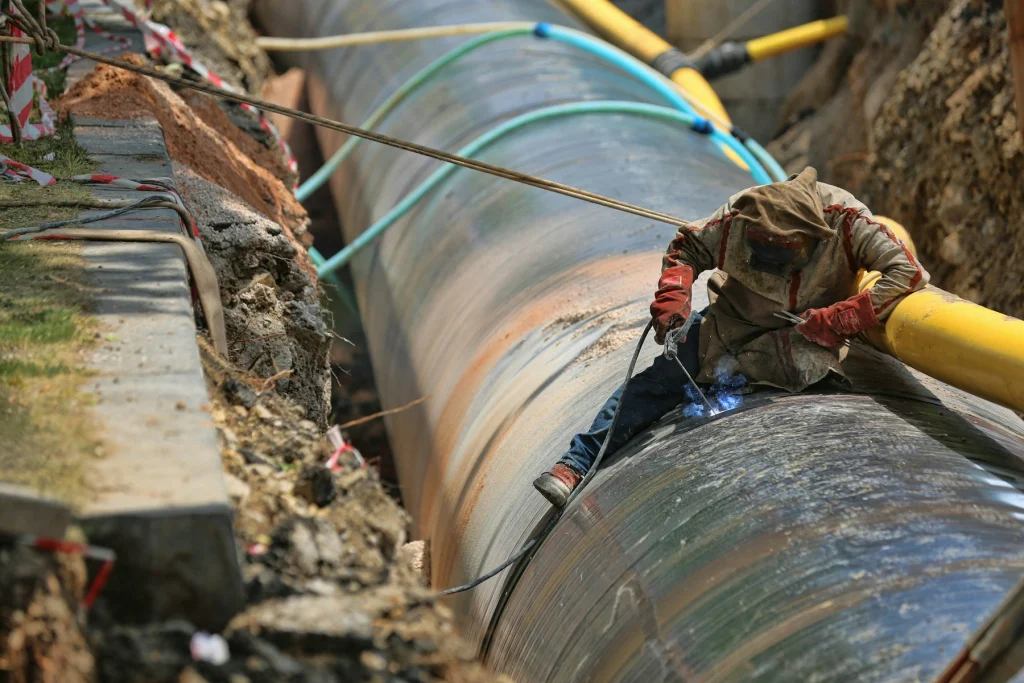

Structural, pipe and plant welding for Texas industry.
Free written quote · No obligation · Reply within one business day
Industrial Welding
Tell us what you need built or repaired. We'll reply with a clear written quote.