Home / Services
Services
Six service lines, one way of working: read the spec, plan around the outage, follow the site safety program and document what was done.
Quick answer
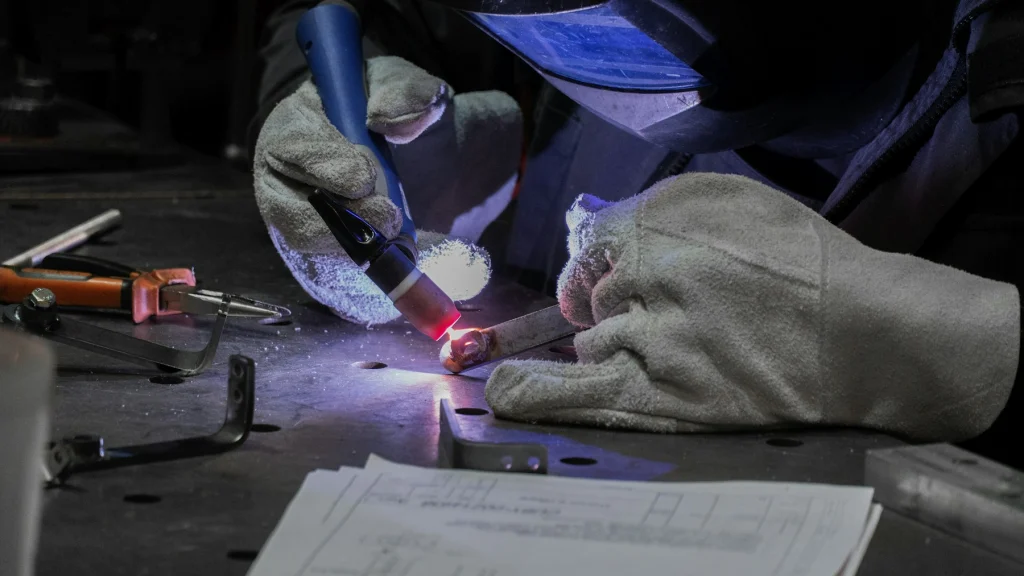
Our industrial welding services cover structural steel fabrication and erection, process and utility pipe welding, plant maintenance and shutdown support, heavy equipment rebuilds, production fabrication to drawing, and non-code repairs on tanks, hoppers and vessels. Each line is planned around the governing code, site safety requirements and the cost of downtime.
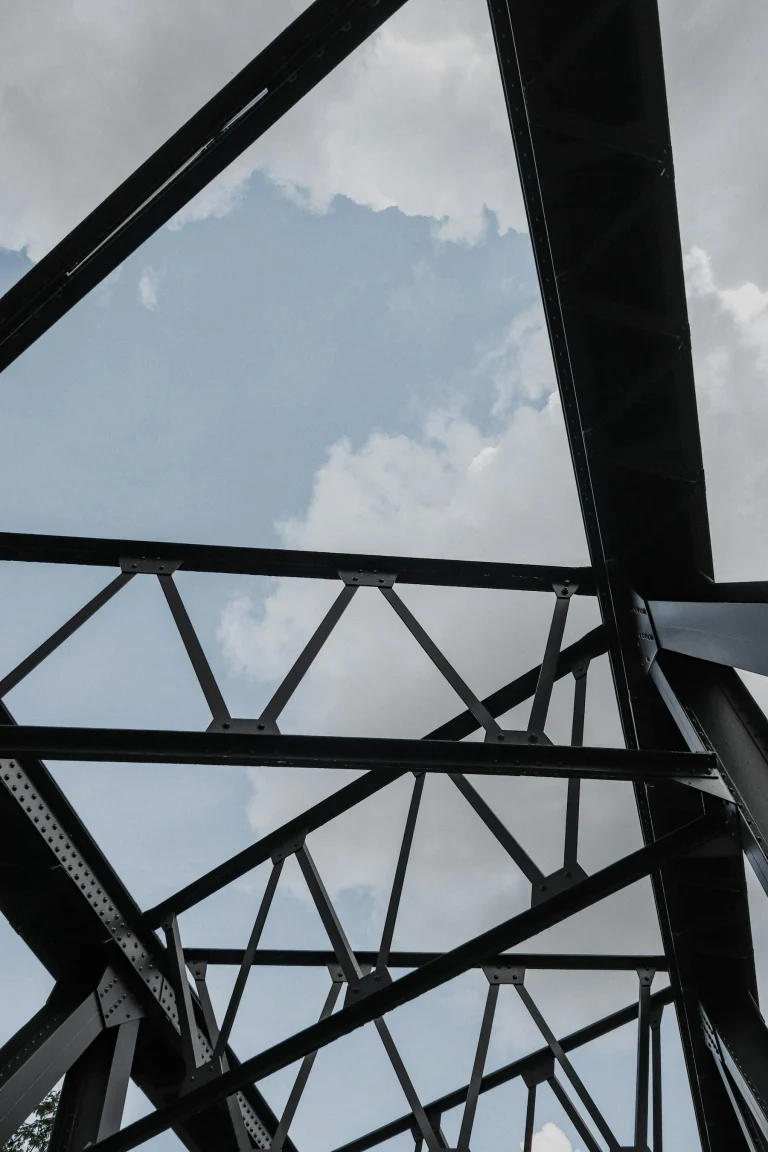
Platforms, mezzanines, pipe racks, equipment supports and access steel fabricated to AWS D1.1 and erected in operating facilities. We work from stamped drawings and coordinate tie-ins to existing structure.
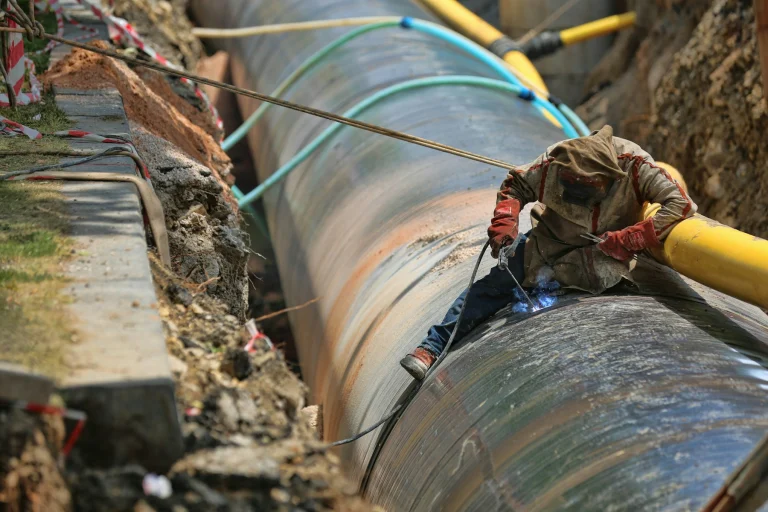
Carbon and stainless process pipe, utility lines, spools and supports welded to the project specification, commonly ASME B31.3. Shop spool fabrication shortens field time during tie-ins and turnarounds.
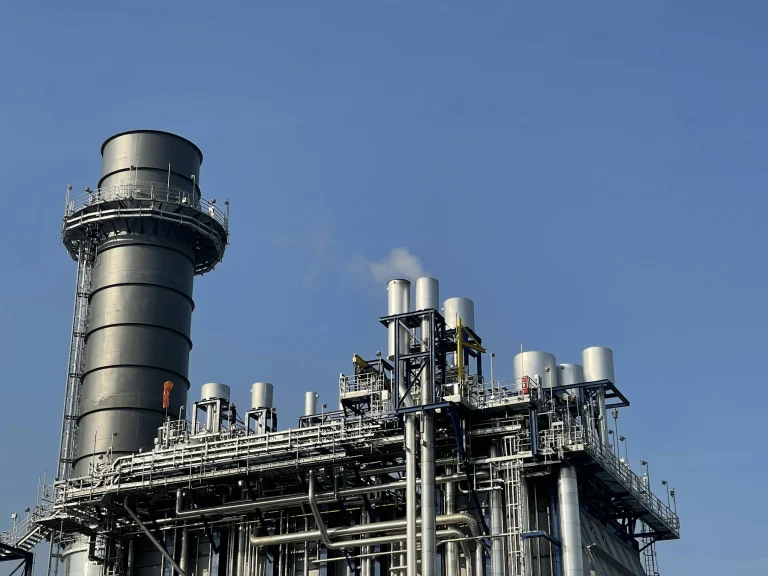
Routine, emergency and turnaround welding for facilities that cannot afford surprises. Crews work under your permit system and plan around isolation, hot work and production schedules.
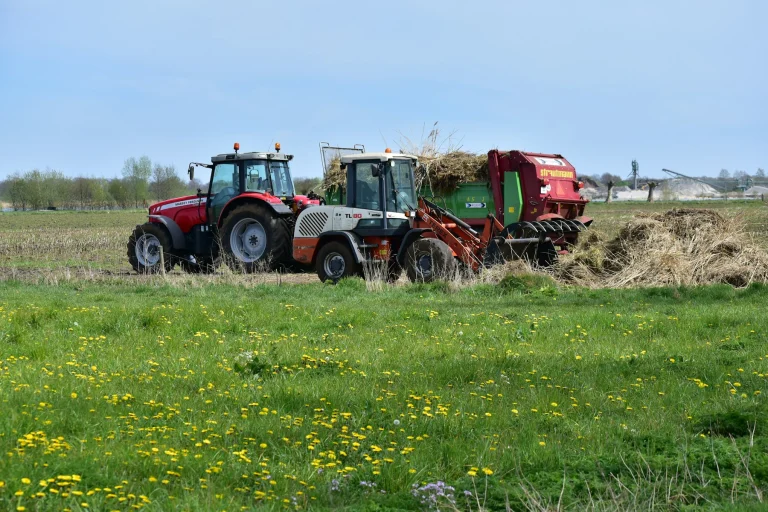
Buckets, booms, frames, pins, bores and wear parts repaired, hard-faced or rebuilt. We identify the steel first, then choose preheat, filler and sequence to suit it.
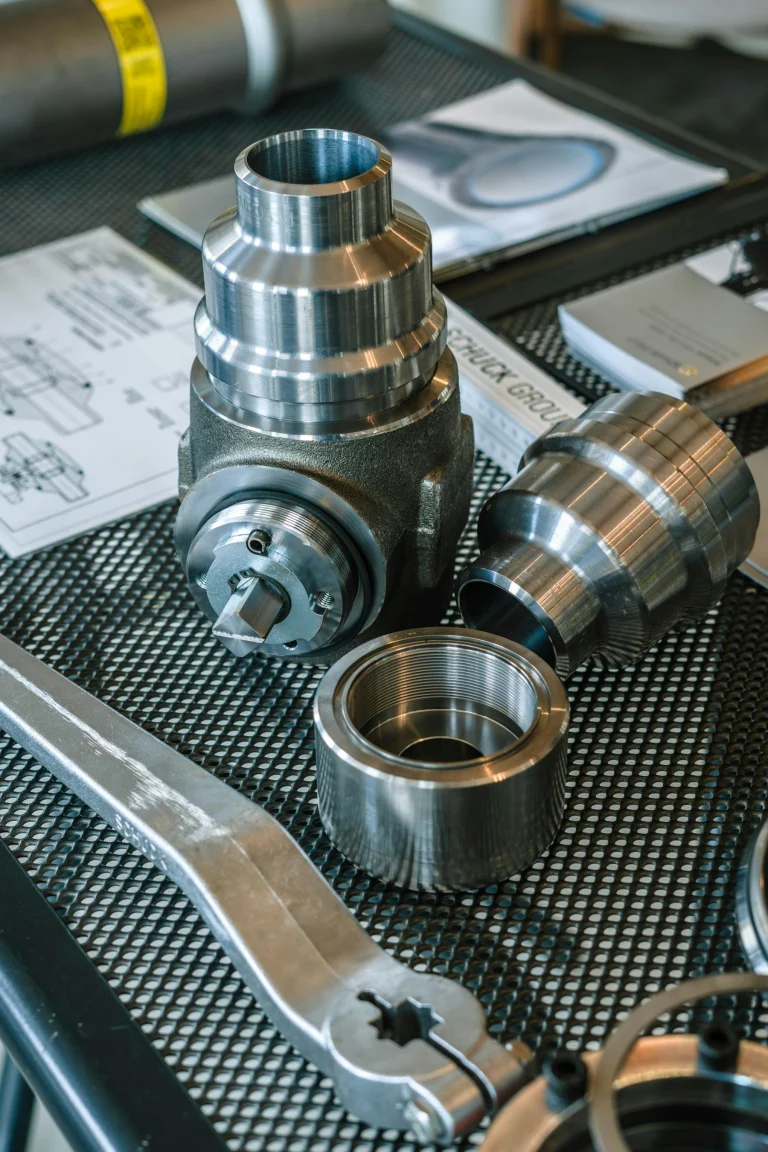
Repeat weldments, skids, frames, guards and assemblies built to your drawing with fixtures and first-article checks. Suited to OEMs, integrators and fabricators who need consistent parts.
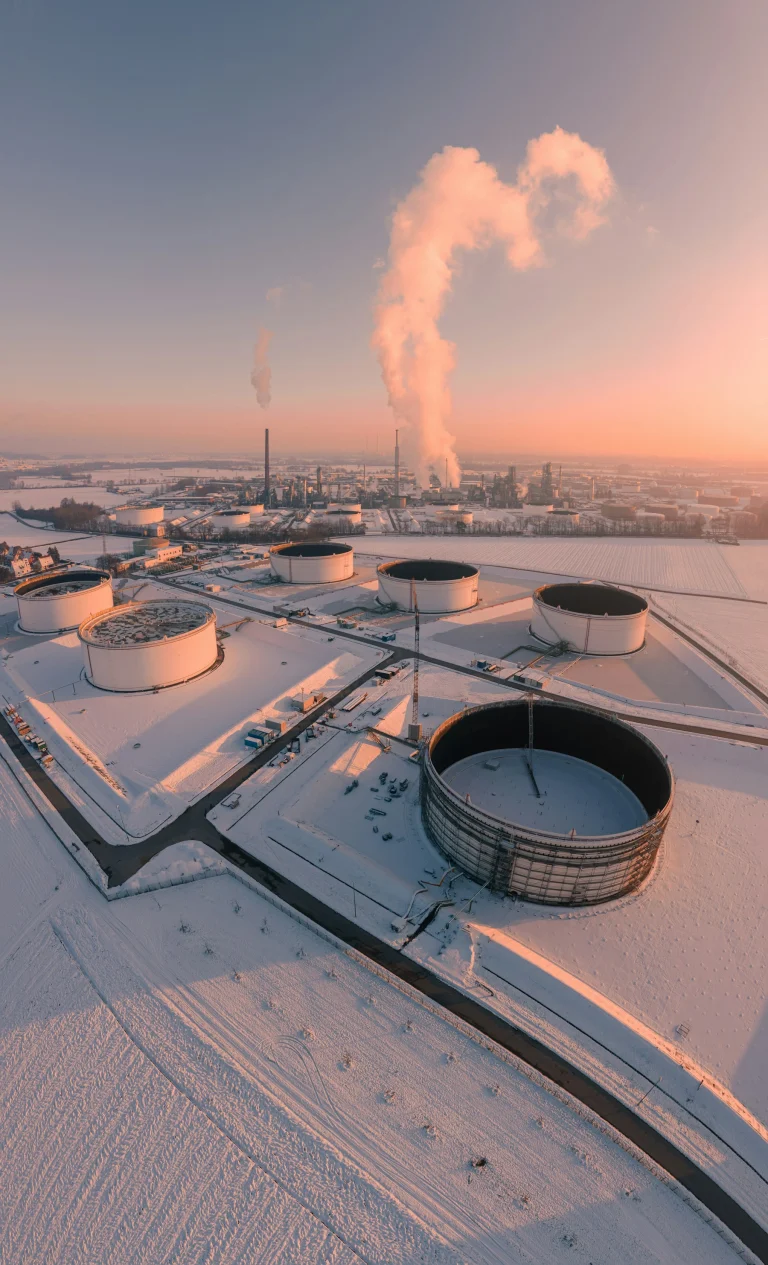
Non-code repairs on tanks, hoppers, bins and atmospheric vessels, plus brackets, nozzles on non-code equipment, supports and access steel. We are clear about where code-stamped work begins.
Start with what failed or what needs to exist. New steel that carries load, people or equipment points to structural steel fabrication. Anything that carries a process fluid, steam, air or water under pressure belongs with industrial pipe welding, because the piping code drives procedure and testing.
Recurring repairs, outage scopes and emergency calls inside a running facility fit plant maintenance welding. Worn or cracked mobile equipment and wear parts go to heavy equipment rebuild, while repeat parts built to a drawing are production fabrication. Containers that hold bulk solids or liquids at atmospheric pressure sit under tank and vessel repair.
Many jobs span two lines. A conveyor transfer upgrade might include structural steel, a new chute, liner plate and a relocated water line. In that case we quote the whole scope together so one crew and one schedule cover it.
Load-bearing or access steel: structural steel
Pressure-containing lines and spools: pipe welding
Outages, recurring repairs and emergencies: plant maintenance
Worn, cracked or bent iron: heavy equipment rebuild
Repeat parts to drawing: production fabrication
Bins, hoppers and atmospheric tanks: tanks and vessels repair
Regardless of service line, the job begins with the governing documents. We identify the code, material grades, required examination and documentation before pricing, because those decisions change the hours far more than the length of weld.
Safety planning is built into the schedule: permits, gas testing, isolation verification, fire watch and fume control take real time and are priced as such. Finally, every job ends with a handover. Depending on scope that may include material certifications, weld maps, inspection results and as-built notes.
Shop work gives better positioning, controlled conditions and easier inspection, so anything that can be prefabricated usually should be. Field work is unavoidable for tie-ins, installation and repairs on fixed equipment. The best plans move as many welds as practical into the shop and leave only connection welds for the outage.
We will recommend a split in the quote, and you can see how it plays out in specific regions on our service areas page.
We offer six service lines: structural steel, pipe welding, plant maintenance, heavy equipment rebuild, production fabrication, and tanks and vessels repair. Each can be quoted on its own or combined into a single scope, which is common on plant upgrades where new steel, piping and equipment modifications happen during the same shutdown window.
We use shielded metal arc (stick), gas metal arc (MIG), flux-cored and gas tungsten arc (TIG) welding, selected by material, position, code requirements and site conditions. Stick and flux-core handle wind and field positions well, TIG suits stainless and pipe roots, and MIG is efficient for shop production. The procedure, not habit, decides the process.
Most work is carbon steel, with stainless steel and aluminum where the application calls for them. Thickness ranges from light sheet on guards and enclosures to heavy plate on equipment frames and wear components. Abrasion-resistant plate, quenched and tempered steels and chrome-moly pipe need specific procedures, so tell us the grade when you can.
We take on urgent repairs when crew and materials allow, and we prioritize breakdowns that stop production. Use the quote form, mark the request as urgent, and include photos, location, the equipment involved and site access details. We will reply with what we can do and how soon, without promising a response time we cannot keep.
Pricing depends on material, the governing code, required testing, shop versus field hours, access and safety requirements, shift work and schedule pressure. We provide an itemized written quote listing assumptions and exclusions, so you can compare it fairly and see exactly what is included. We do not publish flat prices because industrial scopes vary too much.
Describe the problem or send the drawings. We will sort the scope into the right service lines and send back one written quote.
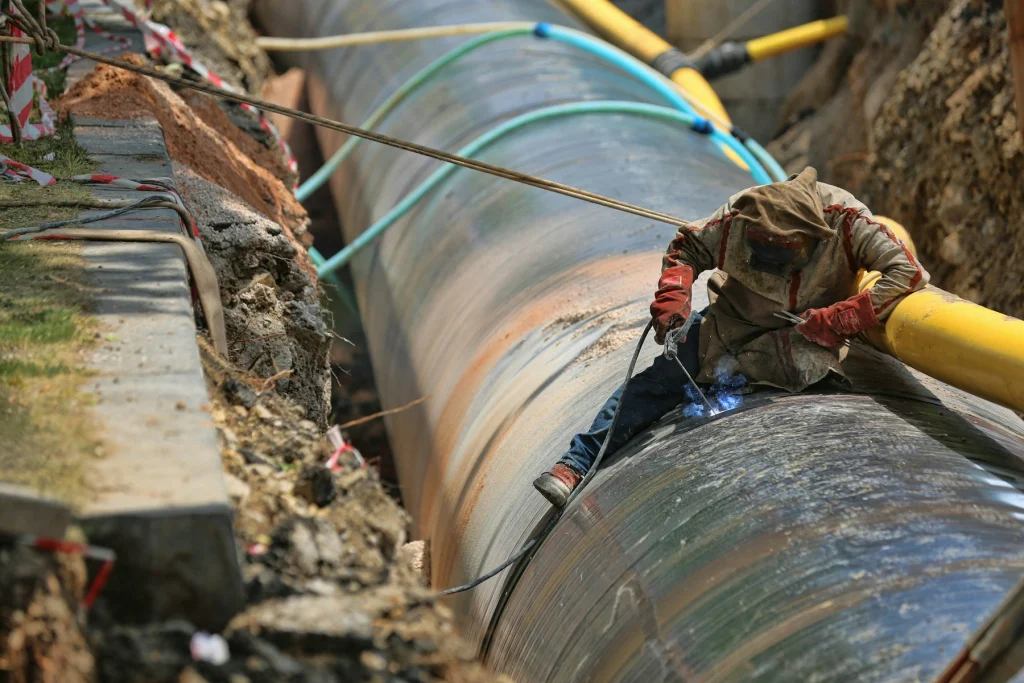
Structural, pipe and plant welding for Texas industry.
Free written quote · No obligation · Reply within one business day
Industrial Welding
Tell us what you need built or repaired. We'll reply with a clear written quote.