Quick answer
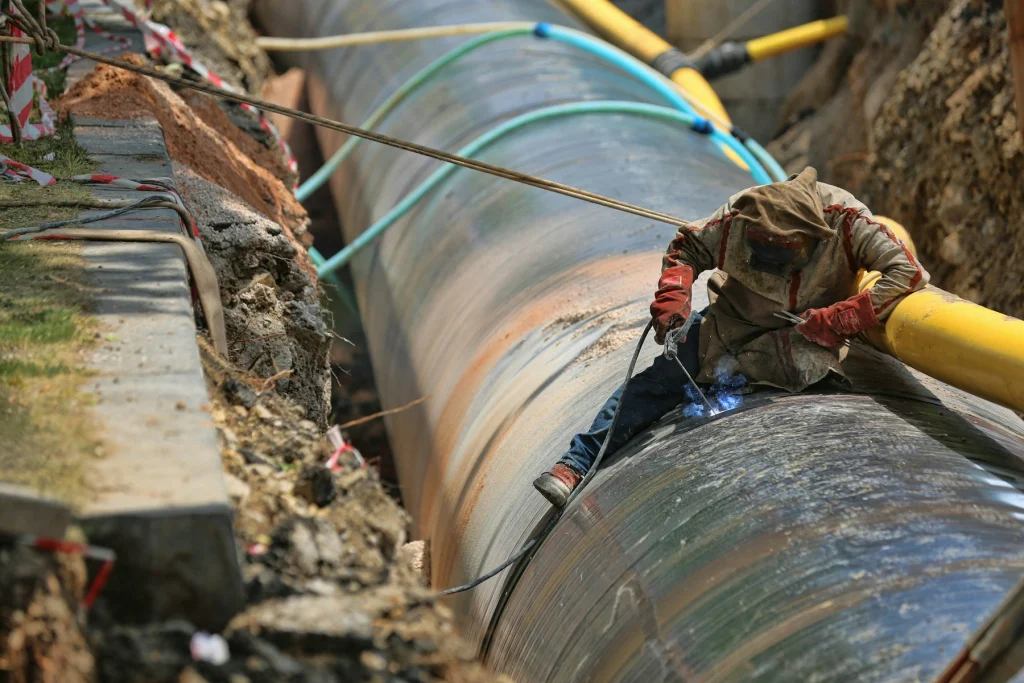
Midland industrial welding serves the Permian Basin oilfield: tank batteries, compressor stations, gas processing plants, saltwater disposal facilities and the frac and service fleets that support them. We take on facility piping, skids, structural steel, non-code tank repairs and heavy equipment work around Midland and Odessa, with procedures that account for sour service, dust and wind.
Production facility piping, headers and skid connections
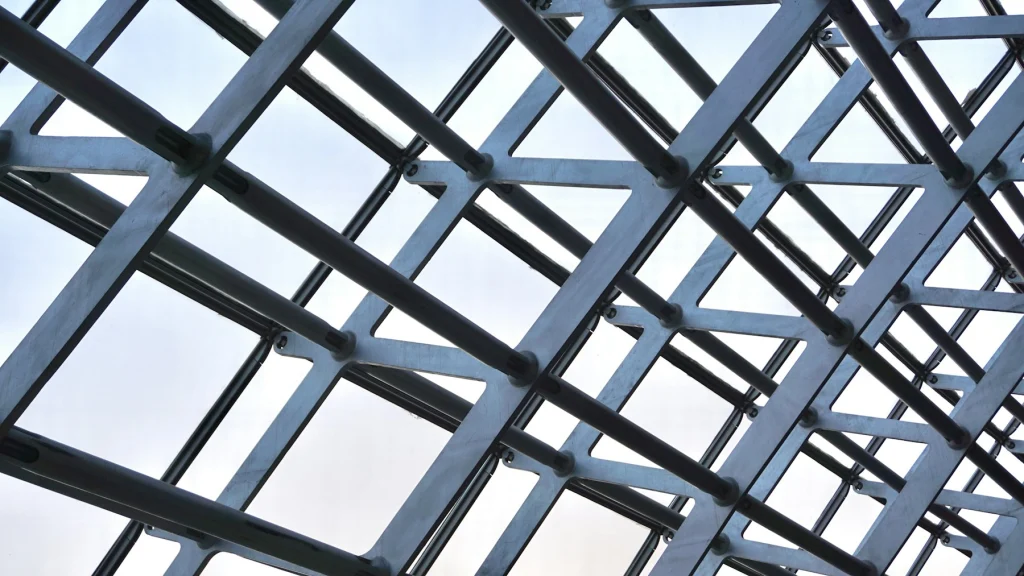
Compressor station and gas plant support steel and piping
Trailer, skid and sand-handling repairs for frac and service fleets
Sour service awareness, including hardness control where the operator requires it
Field crews equipped for remote sites, long drives and oilfield orientations
Midland industrial welding in the Permian Basin
The Permian Basin is one of the most productive oil and gas regions in the world, and Midland and Odessa sit at its center. Midland is home to many operators and their engineering teams, while Odessa and the Interstate 20 corridor between the two cities hold a large share of the oilfield service companies, fabrication yards and equipment repair shops that keep the basin running.
Midland industrial welding work follows the life of a well. New pads need facility piping, tank batteries and gathering connections. Producing leases need repairs, modifications and debottlenecking. Compressor stations and gas plants need maintenance and expansions. And the frac, workover and trucking fleets need constant repair to stay on the road.
The geography is wide. Work may be on the Midland Basin side near Stanton, Garden City or Andrews, or west in the Delaware Basin around Pecos and Kermit, often an hour or more from town on caliche lease roads.
Tank batteries, separators and production facilities
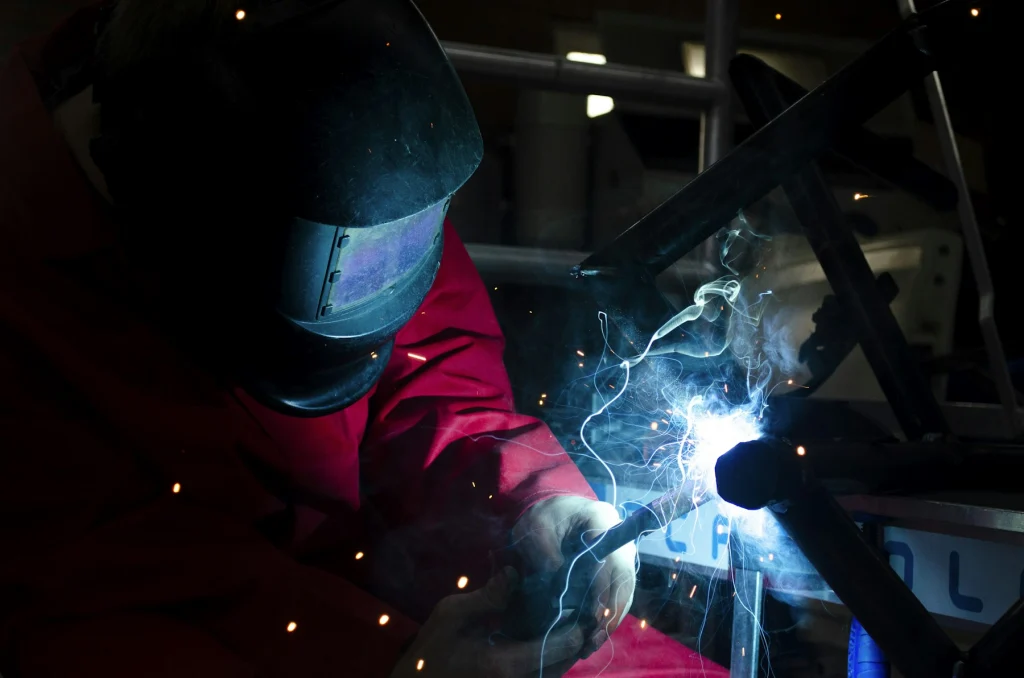
A typical tank battery gathers production from one or more wells, separates oil, gas and water, and stores oil and produced water before it moves by pipeline or truck. The welding scope covers headers and manifolds, separator and heater treater connections, flowline tie-ins, walkways and stairs between tanks, and secondary containment steel.
Production facility piping is commonly built to the operator's specification, with ASME B31.3 or the relevant pipeline code applied depending on where the facility boundary sits. We weld to the operator's qualified procedures or our own, and we arrange hydrotest and examination as the specification requires.
Prefabrication pays off on repeat pad designs. Headers, meter runs and skid piping built in the shop to a standard drawing arrive ready to set, which shortens field time on remote leases. See production fabrication for how we handle repeat builds and first-article checks.
Headers, manifolds and flowline tie-ins
Separator, heater treater and vapor recovery connections
Tank walkways, stairs and catwalks
Containment and equipment support steel
Compressor stations and gas processing plants
Gas production in the Permian requires gathering compression and processing plants that strip liquids and treat the gas before it enters transmission pipelines. Compressor stations run reciprocating and screw compressors on heavy skids that vibrate constantly, and vibration finds every weak weld.
Common repairs include cracked skid members, failed pipe supports and small-bore connections that fatigue under vibration, scrubber and cooler supports, and platform steel. Fatigue repairs work best when the root cause is addressed: adding bracing, improving the support layout or changing a socket-weld detail, rather than simply re-welding the same crack. Our industrial pipe welding crews handle station piping, and industrial structural steel covers racks and platforms.
Inside gas plants, the work looks more like refinery maintenance, with permit systems, gas testing and documented procedures. We follow the plant's safety program and qualification requirements for each scope.
Industrial Welding services in Midland, TX
Pipe racks, equipment platforms, tank walkways and compressor station support steel for Permian facilities, built from drawings and set on remote pads.
Facility piping, headers, meter runs and station piping in carbon steel, with sour service procedures and hardness control where the operator requires them.
Routine and breakdown welding for gas processing plants, saltwater disposal facilities and compressor stations, working under each operator's safety program.
Frame, mount and wear repairs for frac trailers, sand handling equipment, workover support equipment and construction fleets working across the basin.
Repeat headers, skid frames, meter run supports and pad components built to a standard drawing so new facilities set faster in the field.
Non-code repairs to production tank walkways, ladders, containment steel, hoppers and external attachments, with guidance on where API standards apply.
Frac fleets, oilfield trailers and pressure-pumping equipment
Hydraulic fracturing fleets are hard on steel. Pump trailers, blenders, sand handling equipment, hydration units and support trailers move between pads constantly and run long hours, and the result is cracked frames, broken mounts, worn hoppers and damaged decks.
Our heavy equipment rebuild work covers trailer frame and crossmember repairs, equipment mounts, sand hopper and conveyor wear, ladders and handrails, and fabrication of replacement brackets. Sand is abrasive, so hard-facing or abrasion-resistant liners often make sense in chutes and hoppers.
Pressure-rated flow iron is a different matter. High-pressure treating iron is generally not repaired by welding and is typically replaced or recertified through the manufacturer's program. We focus on structural and non-pressure work and will say so when a part should go back to its manufacturer.
What does sour service mean for weld procedures?
Many Permian wells produce gas containing hydrogen sulfide. H2S is a serious safety hazard, and in wet service it can also cause sulfide stress cracking in hard steel. Welds and heat-affected zones that are too hard are particularly vulnerable.
When an operator specifies sour service, materials and welds typically must meet hardness limits drawn from NACE MR0175/ISO 15156 or the operator's own standard. That can mean specific filler metals, preheat, controlled heat input, post-weld heat treatment and hardness testing of procedure qualifications or production welds. We confirm those requirements with the operator before work starts.
Sour sites also require H2S safety training, personal monitors and site-specific response plans for every crew member. We plan for those requirements in the crew assignment and the quote.
Dust, wind and wide temperature swings in West Texas
Midland sits on a high, dry plain where conditions change fast. Summer afternoons often top 100°F, winter cold fronts can drop temperatures sharply in a few hours, and the daily swing between morning and afternoon is often wide. Strong spring winds raise dust that can cut visibility and coat everything on site.
Each of those conditions affects welding. Cold steel may need preheat that would never be required in August. Wind blows away shielding gas, so field work often relies on stick welding or self-shielded flux-cored wire with windscreens where gas shielding is needed. Dust contaminates joint surfaces and consumables, so joints are cleaned just before welding and electrodes and wire are stored sealed.
Hard freezes are rare but serious. Equipment and piping that are not designed for deep cold can crack or burst, and winter storm repairs compete with every other operator in the basin for the same crews.
Preheat checks on cold mornings and after fronts
Windscreens or self-shielded processes in the field
Joint cleaning immediately before welding
Heat-stress planning for summer crews
Remote sites, long drives and oilfield orientation
Oilfield work in the Permian often means long drives on lease roads, limited cell coverage and no nearby supply house. Crews carry spare consumables, gas, fittings and tools so a missing part does not end the day. Travel time and mileage are shown openly in the quote.
Operators commonly require a basic oilfield safety orientation such as SafeLand, H2S training, contractor prequalification and drug and alcohol testing. Tell us your requirements with the quote request so we assign qualified crew members.
We do not claim a Midland or Odessa shop address. Projects are staffed with shop fabrication, field crews or both. Crude from the basin travels by pipeline to the coast, where our Corpus Christi page picks up the terminal side, and our approach explains how we plan around downtime.
Neighborhoods and nearby areas around Midland
Odessa
Interstate 20 corridor
Stanton
Big Spring
Andrews
Garden City
Gardendale
Greenwood
Midkiff
Rankin
Crane
Monahans
Kermit
Pecos
Seminole
Lamesa
Frequently asked questions
Do you take on oilfield welding around Midland and Odessa?
Yes. We take on facility piping, structural steel, non-code tank repairs, equipment rebuilds and fabrication for operators and service companies across the Permian Basin, including the Midland and Delaware basins. We do not claim a local shop address. Projects are staffed with shop fabrication, field crews or both, as the quote explains.
Can you weld to sour service requirements?
Yes, when the operator specifies it. Sour service typically requires hardness limits based on NACE MR0175/ISO 15156 or the operator's standard, which can affect filler metal, preheat, heat input, heat treatment and hardness testing. We confirm the requirements in writing before work starts and staff the job with H2S-trained crew.
Do you repair frac iron or high-pressure flow lines?
No. Pressure-rated treating iron is generally not repaired by welding and is typically replaced or recertified through the manufacturer. We repair frac trailers, equipment mounts, sand handling equipment, decks, ladders and other structural and non-pressure parts, and we will tell you when a component should go back to its manufacturer.
Why do compressor station welds keep cracking?
Usually vibration. Reciprocating compressors shake skids, piping and supports, and repeated stress cracks welds at stiff or poorly supported points. Lasting repairs address the cause by adding bracing, improving pipe support or changing the connection detail. An engineer should review recurring cracks, especially on piping in hazardous service.
How does West Texas weather affect field welding?
Wind blows away shielding gas, dust contaminates joints, cold fronts can make preheat necessary on short notice and summer heat stresses crews. We use stick or self-shielded flux-cored processes in the field where allowed, clean joints just before welding, check preheat on cold mornings and plan early starts and breaks in summer.
What orientations do your crews need for Permian sites?
Requirements vary by operator. Many require a basic oilfield safety orientation such as SafeLand, H2S training, contractor prequalification and drug and alcohol testing, and plants may add their own site orientation. List your requirements in the quote request so we assign qualified crew members and include orientation time in the schedule.