Quick answer
Beaumont industrial welding serves the Golden Triangle of Beaumont, Port Arthur and Orange, one of the densest refining and petrochemical districts in the country. We take on turnaround and maintenance welding, ASME B31.3 process piping, structural steel and non-code tank repairs for plants and terminals along the Sabine-Neches Waterway, with procedures built for Southeast Texas humidity.
Turnaround and routine maintenance welding for refineries and chemical plants
Process piping to ASME B31.3 and the owner's piping specifications
Dock, pipe rack and loading structure work along the Sabine-Neches Waterway
Low-hydrogen discipline and coating timing for one of the wettest parts of Texas
Crew plans that account for overlapping spring and fall outages across the region
What makes the Golden Triangle different for Beaumont industrial welding?
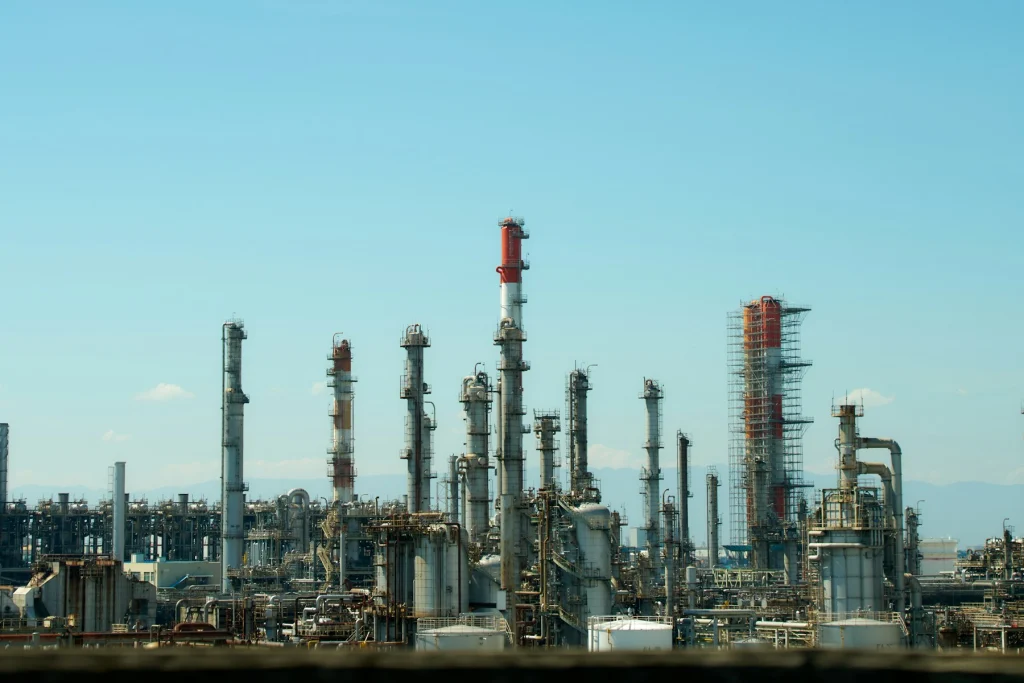
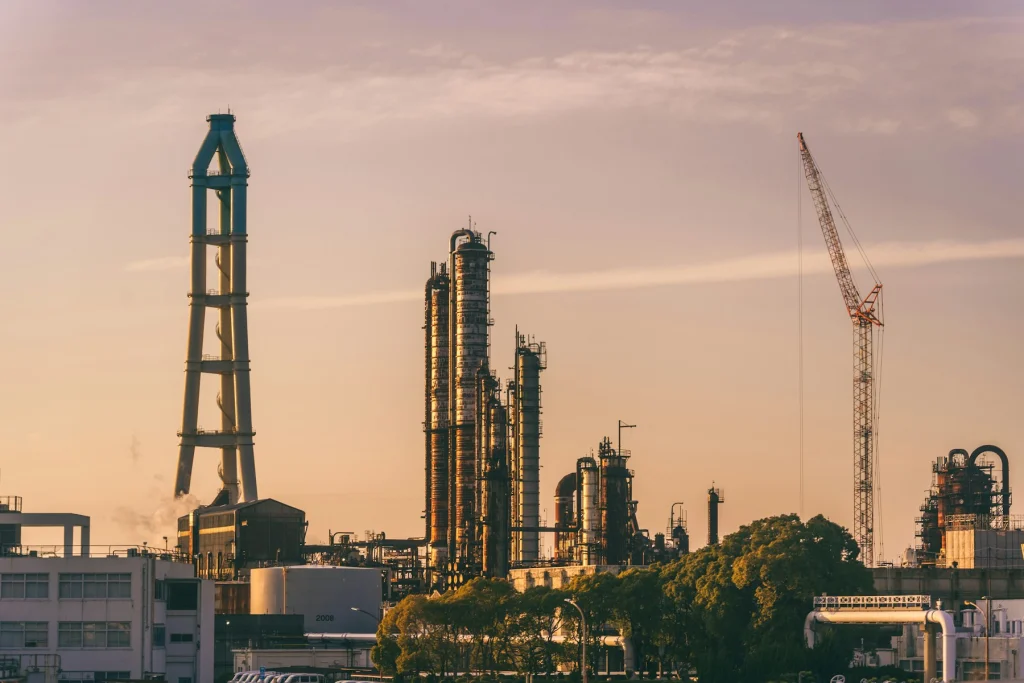
Few places pack as much process industry into as small an area as Jefferson and Orange counties. Large refineries in Port Arthur and Beaumont sit within a short drive of olefins units, synthetic rubber and polymer plants in Port Neches and Nederland, and the chemical facilities along the Sabine River near Orange. Newer liquefied natural gas export projects near Sabine Pass have added another layer of heavy construction and maintenance.
That density changes the welding market. Plants share the same pool of craft labor, the same scaffold and inspection contractors and, often, the same outage seasons. A contractor who understands that rhythm plans prefabrication and crew assignments months ahead rather than reacting when the work list lands.
It also means the work is overwhelmingly code-governed. Most of what we see in the Golden Triangle is process piping, pressure equipment attachments, pipe supports and access steel inside operating units, where qualified procedures, traceable materials and owner-approved documentation matter as much as the weld itself.
Refinery and petrochemical maintenance from Port Arthur to Orange
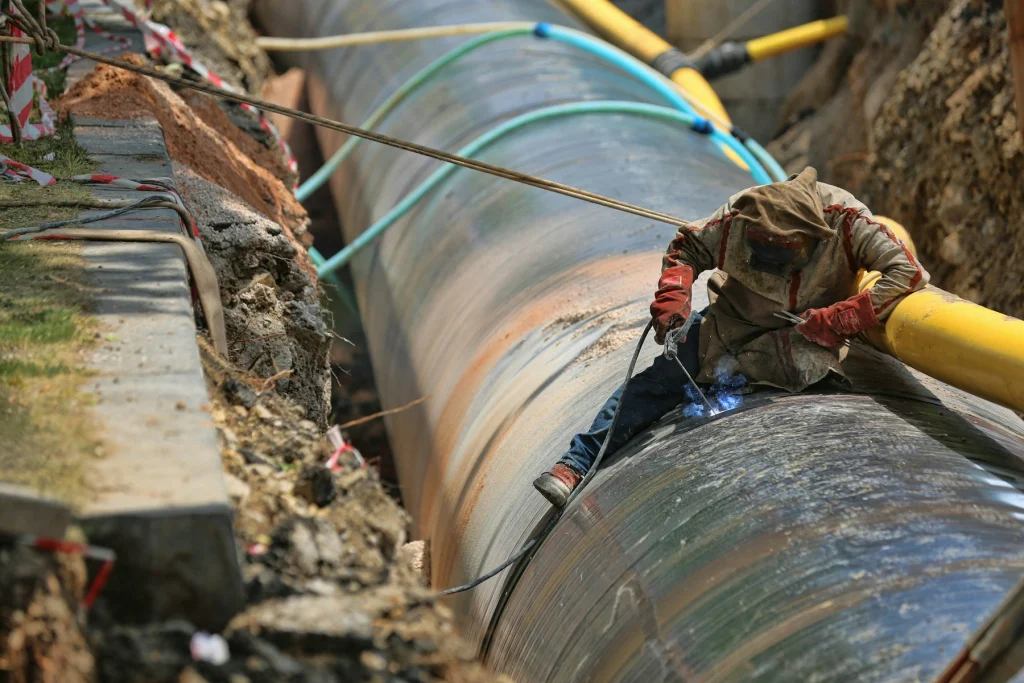
Day-to-day maintenance in a refinery or chemical plant is a long list of small, urgent jobs: a leaking small-bore connection, a corroded pipe shoe, a cracked platform clip, a bent handrail after a crane pick, a nozzle reinforcement pad that needs replacing before the next inspection. Our plant maintenance welding crews work these lists under your permit system, with hot work permits, gas testing and fire watch handled the way your site requires.
Larger items, such as replacing a run of corroded piping or adding a new tie-in for a unit modification, are usually prefabricated. Spools are built and examined in the shop, then installed during a short window so the unit spends less time down. Our industrial pipe welding service covers carbon steel, stainless and chrome-moly lines, with radiography or other examination arranged to match the line class.
Petrochemical sites also bring alloys that need extra care. Stainless and nickel alloy systems typically call for clean fit-up, back purging and controlled heat input, while chrome-moly piping usually needs preheat and post-weld heat treatment. We confirm those requirements against your specification before we price the work.
Small-bore and utility piping repairs inside operating units
Pipe shoe, guide and support replacement
Platform, ladder and handrail repairs after inspection findings
Prefabricated spools for planned replacements and tie-ins
Sabine-Neches Waterway docks, terminals and LNG export
The Sabine-Neches Waterway connects the Gulf to the ports of Beaumont, Port Arthur and Orange, and it carries crude, refined products, chemicals, LNG and military cargo. Along its banks sit marine docks, product terminals, barge facilities and the pipelines that tie them to the refineries.
Dock and terminal work includes loading arm and hose support structures, pipe racks running out to the berths, gangway and platform steel, fender and bollard attachments where the engineer allows welding, and non-code repairs to sumps and hoppers. Marine exposure is severe, so coating repair around new welds is part of the scope, not an afterthought.
Many waterfront facilities are regulated under the Maritime Transportation Security Act and require a Transportation Worker Identification Credential for unescorted access. Tell us early which credentials your dock requires so the crew plan and schedule reflect them. For storage tanks and vessels at terminals, see tank repair welding for where our non-code scope ends and API 653 or stamped work begins.
Industrial Welding services in Beaumont, TX
Pipe racks, platforms, access stairs, exchanger supports and dock steel for Golden Triangle plants and terminals, welded to AWS D1.1 and coated for a wet, salty climate.
Carbon, stainless and chrome-moly process piping to ASME B31.3 for refineries and chemical plants from Port Arthur to Orange, with spools prefabricated ahead of outages.
Routine, breakdown and turnaround welding inside operating units, performed under your permit system with fire watch, gas testing and documentation handled your way.
Structural, crack and wear repairs to material handling equipment, port machinery and construction fleets that support plant and terminal work across Southeast Texas.
Repeat pipe supports, shoes, guides, small skids and platform components built to drawing, so plants can stock standard parts before the next turnaround.
Non-code repairs to sumps, hoppers, process tanks and external tank structure at plants and terminals, with clear guidance on where API 653 or stamped repairs apply.
Which codes usually govern Beaumont plant welding?
Inside the fence line, the owner's specifications usually sit on top of the national codes. Process piping is typically built and repaired to ASME B31.3, welding procedures and welder qualifications typically follow ASME Section IX, and in-service inspection of piping, vessels and tanks follows the owner's program, often based on API 570, API 510 and API 653.
Structural steel such as platforms and pipe racks is commonly welded to AWS D1.1, with the engineer of record setting member sizes, connections and inspection. Repairs to pressure equipment that carries a code stamp generally require an organization holding the appropriate repair authorization, and we will tell you plainly when a scope falls into that category.
Code editions and owner requirements vary, so we confirm the governing documents, examination percentages and record requirements with your engineering and inspection group, or with the authority having jurisdiction for work outside the plant, before the quote is final.
Rainfall, flooding and humidity in Southeast Texas
Beaumont and Port Arthur receive considerably more rain than most of Texas, and the area has been hit hard by hurricanes and major flood events in recent decades. Low, flat ground and slow drainage mean standing water can linger on a site for days after a heavy storm.
For welding, moisture is the enemy of sound carbon steel welds. Low-hydrogen electrodes come from sealed cans or heated holding ovens, exposure times are tracked, and joints are dried and preheated where the procedure calls for it. Wet weather also affects field schedules, especially for outdoor tie-ins and coating repairs that need the steel above the dew point.
After a storm, the work shifts to flood-damaged equipment supports, displaced piping, damaged structural steel and electrical and instrument stands. We take on storm recovery work as crew capacity allows and will be direct about realistic timing when demand spikes across the region.
Staffing turnarounds when every plant goes down at once
Golden Triangle outages tend to cluster in the cooler months of spring and fall, and when several large sites schedule work in the same window, qualified pipe welders, fitters and supervisors become scarce. Late booking is the most common reason a turnaround welding scope falls behind.
The fix is early, specific planning. A frozen work list with line numbers, materials and examination requirements lets us book crew, order material and start prefabrication well before the unit comes down. Pre-outage field measurements of every tie-in reduce surprises when old piping is cut out.
We also agree in advance how discovered work will be priced and approved, because inspection findings during a turnaround almost always add scope. That keeps the critical path moving instead of waiting on paperwork.
Send the work list and outage dates as early as possible
Identify long-lead materials such as alloy pipe and fittings
Agree examination, heat treatment and hydrotest responsibilities
Set rates and an approval path for discovered work
How Beaumont work is scoped and staffed
We do not claim a Beaumont shop or office. Golden Triangle projects are handled with shop fabrication shipped to site, traveling field crews or a combination, and the written quote shows exactly how your job will be staffed and how travel is covered. Many of the same plans apply to the Ship Channel plants on our Houston service area page.
A useful quote request includes the site and unit, drawings or photos, the governing code and line class, materials, examination requirements, target dates and site access requirements such as regional safety council orientation, drug and alcohol testing and TWIC. For a broader look at how we plan around downtime, read about our approach.
Neighborhoods and nearby areas around Beaumont
Port Arthur
Orange
Nederland
Port Neches
Groves
Sabine Pass
Vidor
Bridge City
Lumberton
Sour Lake
Winnie
Hamshire
Mauriceville
China
Pear Ridge
Pinehurst
Frequently asked questions
Do you take on turnaround welding at Golden Triangle refineries?
Yes. We take on defined turnaround welding scopes at refineries, chemical plants and terminals around Beaumont, Port Arthur and Orange, with our own supervision. Spring and fall outages across the region compete for the same welders, so send the work list, dates and site access requirements as early as possible to secure crew and prefabrication time.
What codes do you weld to for Beaumont plants?
Most plant piping work is typically done to ASME B31.3 with procedures and welders qualified to ASME Section IX, and structural steel is commonly welded to AWS D1.1. Owner specifications often add requirements on top. We confirm the governing documents, examination and records with your engineering or inspection group before finalizing the quote.
Can you repair code-stamped pressure vessels?
Repairs to stamped pressure equipment generally require an organization holding the appropriate repair authorization, and the owner's inspector must accept the plan. We will tell you clearly whether a scope is non-code work we can perform or whether it needs an authorized repair organization, and we can handle supports, platforms and other non-pressure attachments where permitted.
How does Southeast Texas rain affect field welding?
Moisture threatens low-hydrogen welds and coating work. We store electrodes in sealed containers or heated ovens, track exposure time, dry and preheat joints where required and shelter outdoor tie-ins. Heavy rain can still stop field work, so schedules for outdoor scopes include weather allowance agreed with you in advance.
Do your welders have TWIC cards for Sabine-Neches docks?
TWIC needs depend on the facility. Docks and terminals regulated under the Maritime Transportation Security Act typically require TWIC for unescorted access, and plants usually require regional safety council orientation and drug testing as well. List your site requirements in the quote request so we assign credentialed crew members or plan for escorts.
Is Industrial Welding located in Beaumont?
No. We are a Texas industrial welding contractor that takes on work throughout the Golden Triangle, but we do not claim a Beaumont shop or office address. Projects are staffed with shop fabrication, traveling field crews or both, and the written quote explains how your job will be handled and how travel costs are covered.