Quick answer
A heavy equipment rebuild restores cracked, worn or damaged components such as buckets, booms, sticks, frames, pin bores and wear parts on loaders, excavators, dozers, haul trucks and plant machinery. We identify the steel, find the cause of failure, then repair, reinforce or hard-face it with procedures suited to abrasion-resistant, high-strength and manganese steels.
Key points
Steel identified before welding, including AR plate, quenched and tempered grades and manganese steel
Crack repairs that address the cause, not just the visible defect
Pin bore build-up with machining back to size
Hard-facing and wear packages matched to the abrasion and impact the part sees
Shop or field work planned around fleet availability
What a heavy equipment rebuild includes
A rebuild can be a single cracked weld on a loader frame or a complete bucket rebuild with new lips, side cutters, wear strips and corner shrouds. Between those extremes are boom and stick repairs, worn pin bores, bent push arms, cracked dozer C-frames, haul truck bed liners, crusher components and attachment mounting plates.
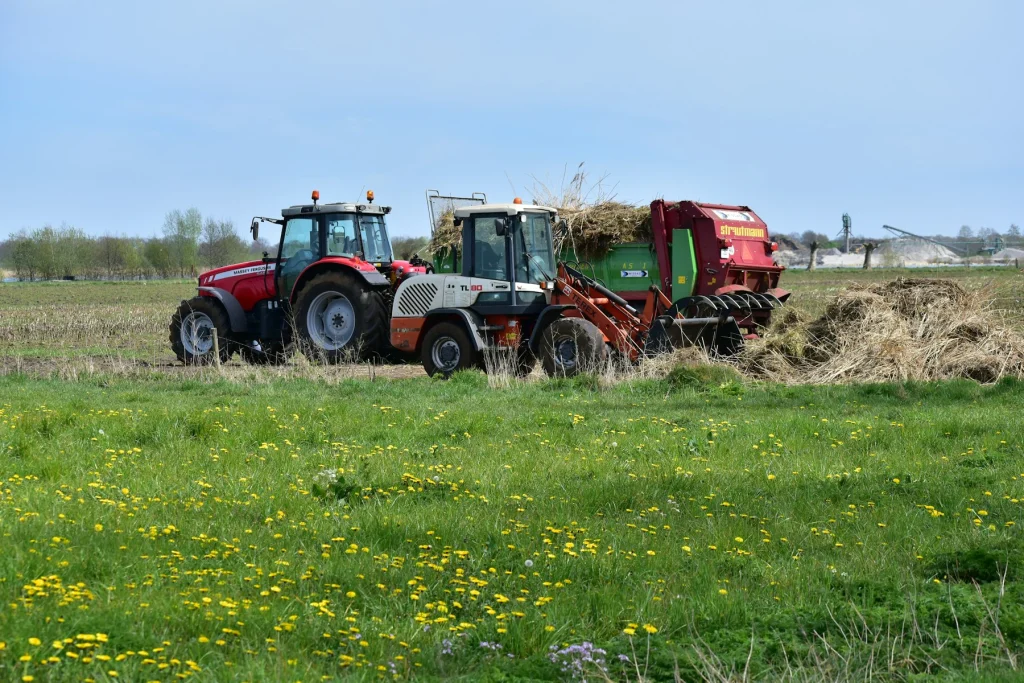
The work applies to mobile equipment in mining, aggregates, construction, agriculture, forestry, scrap and waste, and to fixed plant equipment such as crushers, screens, mixers and shredders. The common factor is heavy section steel that sees high loads, impact and abrasion every day, whether it works in a quarry outside Dallas or on a frac fleet near Midland.
Buckets: lips, base edges, side cutters, heels, wear strips and adapters
Booms, sticks and arms: crack repair, reinforcement and bore repair
Frames and chassis: crack repair, doublers and alignment checks
Dozer blades, push arms and ripper shanks
Haul truck beds, tailgates and liners
Crusher, screen and shredder components
Why buckets, booms and frames crack
Most cracks in heavy equipment are fatigue cracks. They start at a stress concentration, such as the toe of a weld, a sharp corner, a bolt hole or an earlier repair, and grow a little with each load cycle until they are long enough to see. By the time a crack is visible, it has usually been growing for a long time.
Previous repairs are a frequent starting point. A doubler plate with square corners, a fillet weld that ends abruptly or a repair made without preheat on high-strength steel can concentrate stress or create hard, brittle zones that crack again. Operating changes, such as a larger bucket or heavier material, also push structures past what they were built for.
That is why we look at the crack before we grind it out. Its location, direction and surface appearance say a lot about whether it came from overload, fatigue, a poor detail or a bad repair, and that diagnosis decides whether the fix is a weld, a reinforcement or a redesign.
Identify the steel before striking an arc
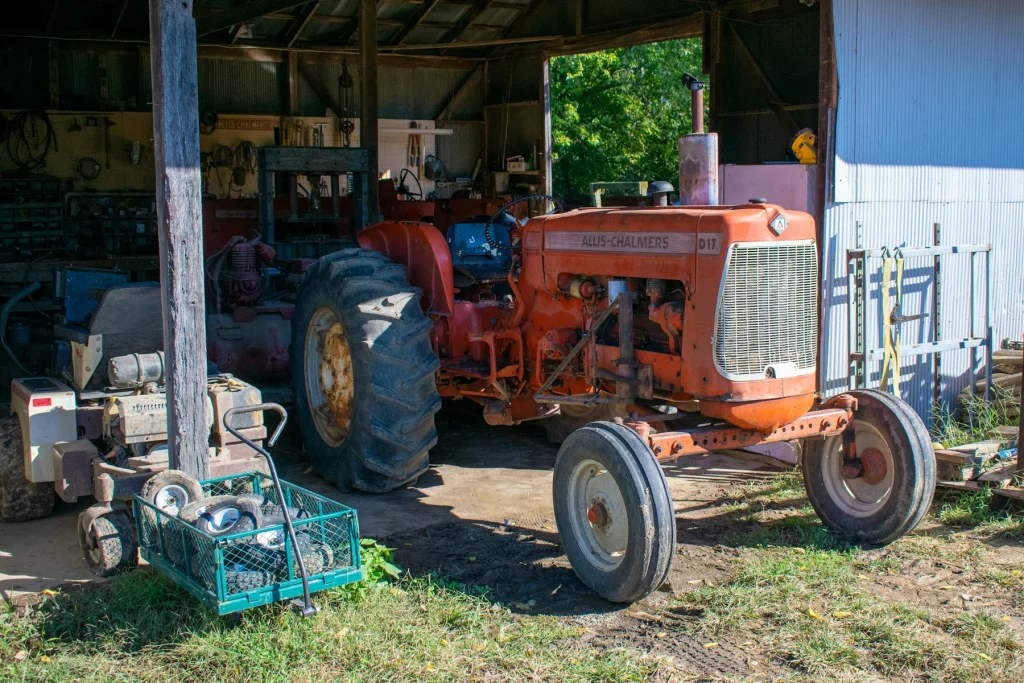
Heavy equipment uses several families of steel, and each needs different handling. Abrasion-resistant plates such as AR400 and AR500 are hard, high-carbon-equivalent steels that need preheat and low-hydrogen practice to avoid cracking. Quenched and tempered structural steels, often known by the T-1 name or the ASTM A514 specification, need controlled preheat and limited heat input, because too much heat destroys the strength the manufacturer built in.
Austenitic manganese steel, used in crusher liners, bucket teeth and some wear parts, behaves almost the opposite way. It should be kept cool during welding, typically well below the temperatures used for preheating other steels, because overheating makes it brittle. Welding manganese steel with a carbon steel procedure is a common cause of failed repairs.
Manufacturer service literature, parts books and markings help identify grades. Where they are not available, a file or portable hardness test, spark testing or a magnet check on manganese steel, which is essentially nonmagnetic, can narrow it down. When in doubt, we choose the more conservative procedure.
Crack repair done properly
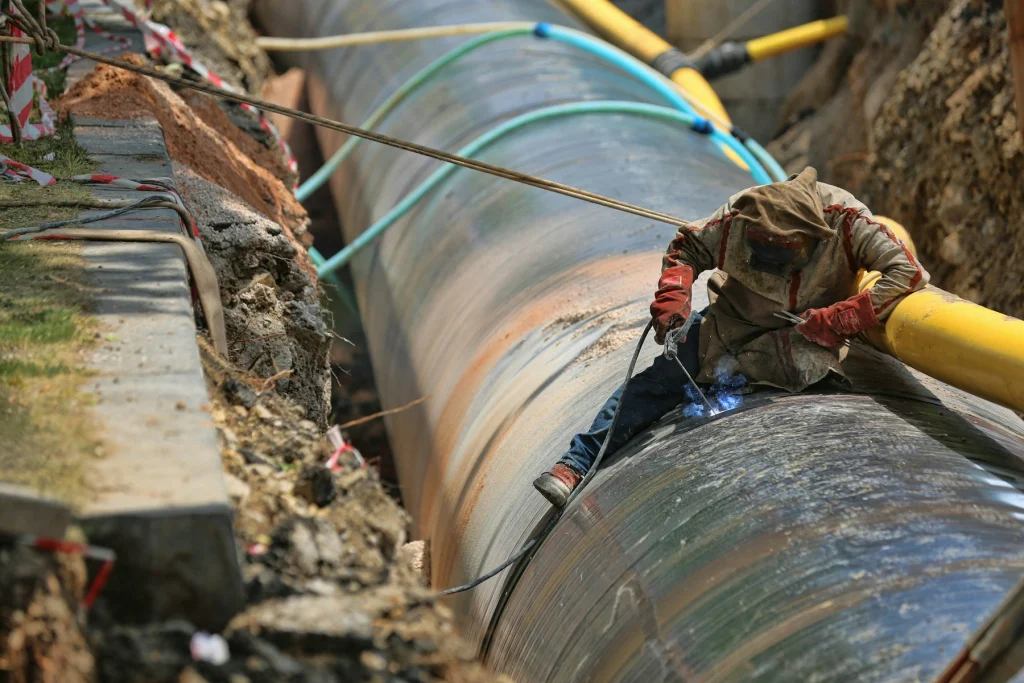
A lasting crack repair begins by finding the full extent of the crack, often with dye penetrant or magnetic particle checks, and drilling or grinding past its ends. The crack is gouged and ground out completely, and the groove is checked again to confirm nothing remains before welding.
Preheat is applied across a wide band around the repair and measured, not guessed. Welding uses low-hydrogen consumables matched to the base metal strength, laid in a sequence that controls distortion and residual stress. The finished weld is ground to blend smoothly into the parent metal where fatigue is a concern, because a smooth profile resists crack initiation far better than an abrupt toe.
If the crack came from an overloaded or poorly detailed area, we may add a reinforcement with tapered ends and rounded corners, or recommend an engineered modification. The goal is to move the stress concentration, not just fill the crack.
How are worn pin bores rebuilt?
Pins and bushings wear the bores they ride in, especially when greasing is missed. Once a bore goes oval, the pin works loose, hammering accelerates wear and the connection eventually damages the boss or the surrounding plate.
The repair is to build up the worn bore with weld, then machine it back to the original size and alignment. On large equipment that is usually done in place with portable bore welding and line boring equipment, arranged as part of the repair, so the boom or frame does not need to be removed. New bushings and pins finish the job.
Bore repairs are a good time to inspect the bosses and surrounding welds for cracks, since looseness tends to overload them.
How a heavy equipment rebuild job works with Industrial Welding
01
Inspect and diagnose
We inspect the component, map cracks and wear, identify the steel and determine the likely cause of failure before recommending a repair.
02
Repair plan and quote
You receive a written plan covering repair method, consumables, preheat, reinforcement or hard-facing, and estimated downtime.
03
Rebuild
Cracks are removed, bores built up and machined, structure repaired or reinforced and wear surfaces hard-faced to the agreed plan.
04
Check and return
Repairs are inspected, alignment and fit are confirmed, and the equipment is returned with notes on what was done and what to watch.
Hard-facing and wear protection
Hard-facing deposits a wear-resistant alloy on surfaces that see abrasion or impact. The right choice depends on the wear mechanism. Fine abrasive material such as sand favors high-carbide alloys like chromium carbide overlays, while heavy impact from rock or slag favors tougher deposits that resist cracking and spalling.
Badly worn parts need build-up first. Hard-facing alloys are not meant to be stacked thick, so worn areas are restored with a compatible build-up alloy before the hard-facing layer goes on. Patterns such as stringer beads, dots or a waffle pattern can trap fines and protect the base layer in some applications.
For many fleets, a planned wear package applied to new or rebuilt buckets and liners extends intervals between repairs and reduces unplanned downtime.
Should you rebuild or replace?
Rebuilding usually wins when the core structure is sound, the part is expensive or slow to source, and the damage is local. Replacing makes more sense when the structure has repeated cracking in the same areas, has thinned extensively or has been repaired so many times that the remaining steel is unreliable.
We give you an honest assessment with photos and our reasoning. Lead time often decides it: a rebuilt bucket in service soon can be worth more than a new one on backorder. When a replacement part is the right answer, our production fabrication service can build wear parts and liners to drawing, and site-based machinery repairs fit into our plant maintenance welding schedule.
Frequently asked questions
Can you weld AR400 and AR500 plate?
Yes. Abrasion-resistant plates are weldable with the right preheat, low-hydrogen filler and controlled heat input. We usually join or repair them with a filler that is softer and tougher than the plate itself, since the weld does not need to match plate hardness to hold. Wear areas can then be hard-faced if extra protection is needed.
Can you repair equipment on site?
Many repairs can be done in the field, including crack repairs, bucket work, hard-facing and pin bore repair with portable line boring equipment where access allows. Field work avoids transporting heavy machinery but depends on access, weather protection and a safe, level work area. Larger rebuilds with extensive disassembly are usually more efficient in the shop.
Why did my previous weld repair crack again?
Common causes include not removing the full crack, welding high-strength or AR steel without preheat, using filler unsuited to the base metal, leaving an abrupt weld toe that concentrates stress, and not addressing the underlying overload or design issue. A careful inspection of the failed repair usually shows which of these was responsible.
Is welding manganese steel different?
Yes. Austenitic manganese steel used in crusher liners and wear parts should be kept cool during welding, not preheated like carbon steel, because overheating makes it brittle. Repairs use dedicated manganese or stainless-type fillers, short beads and controlled interpass temperature. Manganese steel is essentially nonmagnetic, which helps identify it in the field.
How long does a bucket rebuild take?
It depends on the size, the extent of wear and parts availability. A lip and edge replacement is shorter than a full rebuild with new side plates, wear package and adapters. We give you an estimated duration in the quote, and if lead time on cast parts is the constraint, we tell you before the bucket comes out of service.
Do you install bolt-on cutting edges and teeth adapters?
Yes. We weld on new adapters and base edges and install bolt-on cutting edges, side cutters and wear shrouds as part of bucket rebuilds. Weld-on adapters need correct positioning, preheat and sequence to avoid cracking at the lip. We use manufacturer guidance where it is available for adapter welding.